
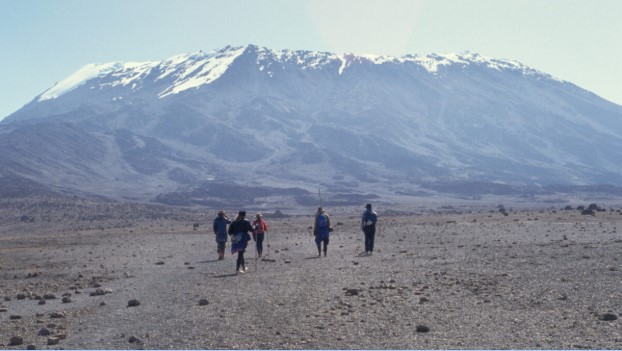
The adventure of climbing Mount Kilimanjaro begins long before you set foot on Tanzanian soil. This magnificent stratovolcano, rising 5,895 meters above sea level, represents one of the Seven Summits and stands as the ultimate bucket-list achievement for adventurers worldwide. Unlike technically demanding peaks requiring years of mountaineering experience, Kilimanjaro welcomes determined trekkers who combine proper preparation with mental fortitude. This comprehensive guide will equip you with the knowledge needed to turn your summit dreams into reality.
The Kilimanjaro Experience: More Than Just a Mountain
Mount Kilimanjaro isn’t simply Africa’s tallest peak—it’s a complete ecosystem condensed into vertical space. The mountain’s five climate zones create a journey through diverse environments that would normally require traveling thousands of kilometers. You’ll begin in tropical rainforest where humidity hangs heavy and monkeys chatter in the canopy. Within days, you’ll traverse moorland, alpine desert, and finally reach the arctic zone where glaciers cling to the crater rim despite their retreat over recent decades.
This ecological diversity makes Kilimanjaro unique among the world’s great mountains. Where else can you experience equatorial rainforest and arctic conditions within the same week? The compressed climate zones create constantly changing scenery that keeps each day interesting, even as physical demands increase with altitude.
The human element enriches the experience immeasurably. Your climbing crew—guides, assistant guides, cooks, and porters—brings warmth, humor, and expertise to the journey. Many have summited hundreds of times, yet they maintain enthusiasm for the mountain and genuine care for their clients. The cultural exchange with Tanzanian crew members and the bonds formed with fellow climbers often prove as memorable as reaching the summit.
Decoding Route Selection for Your Success
Choosing your route wisely sets the foundation for summit success. Each path presents distinct characteristics that should align with your priorities, fitness level, and available time.
Machame Route: The Popular Choice
Machame’s popularity stems from its excellent balance of challenge, scenery, and success probability. The six to seven-day itinerary naturally incorporates “climb high, sleep low” acclimatization through varied terrain. You’ll navigate the dramatic Barranco Wall—a steep scramble requiring hand-over-hand movement but no technical climbing skills. The route’s scenic diversity keeps you engaged, while the reasonable duration provides adequate acclimatization time. Success rates hover around 70 percent, making Machame ideal for first-time Kilimanjaro climbers seeking a proven path.
Lemosho Route: The Scenic Alternative
Approaching from the western flank, Lemosho offers exceptional wilderness character during early days. The seven to eight-day itinerary provides superior acclimatization, translating to 80-85 percent success rates. You’ll traverse the stunning Shira Plateau and experience some of Kilimanjaro’s most dramatic landscapes. The extended duration and remote starting point mean fewer crowds early on, though the route converges with Machame before the summit push. Lemosho costs more than Machame but delivers higher success probability and enhanced scenery.
Northern Circuit: Maximum Success
For climbers prioritizing summit success above all else, Northern Circuit’s eight to nine-day circumnavigation delivers success rates exceeding 90 percent. This longest route winds nearly completely around the mountain, providing unmatched acclimatization and perspectives other routes miss. The extended itinerary allows your body maximum time to adapt to altitude. The trade-offs are significant time commitment and premium pricing, but if summit success justifies the investment, Northern Circuit provides the highest odds.
Marangu Route: The Budget Option
Known as the “Coca-Cola Route,” Marangu offers dormitory-style hut accommodation—the only route avoiding camping. The five to six-day itinerary attracts budget-conscious climbers, but shorter duration results in lower success rates around 55-60 percent. The gradual slope creates a deceptive impression of easier climbing, but inadequate acclimatization time challenges many climbers. Choose Marangu if hut accommodation is essential or budget constraints are paramount, but recognize the success rate trade-off.
Rongai Route: The Dry Approach
Ascending from the north near Kenya, Rongai stays drier than western and southern routes due to rain shadow effects. This makes Rongai optimal during wetter months when other routes become muddy. The six to seven-day itinerary provides moderate acclimatization with 65-70 percent success rates. Wildlife sightings are more common in lower elevations, and fewer climbers create a wilderness atmosphere. The main limitation is ascending and descending the same route rather than experiencing different terrain.
Umbwe and Shira Routes: Specialized Options
Umbwe’s steep, direct ascent appeals to experienced trekkers seeking maximum challenge, but the rapid elevation gain provides minimal acclimatization time, resulting in 50 percent success rates. Only highly fit climbers with previous high-altitude experience should consider this demanding route. Shira begins at high altitude via vehicle access, saving a day but compromising acclimatization. Most experts recommend Lemosho over Shira for better altitude adaptation.
Training Your Body for Kilimanjaro’s Demands
Physical preparation determines whether you’ll struggle through the climb or genuinely enjoy the experience. Adequate training transforms a grueling ordeal into a challenging but manageable adventure.
Cardiovascular Foundation
Kilimanjaro demands sustained aerobic capacity over consecutive days. Build your cardiovascular base through running, cycling, swimming, or rowing. Progress gradually from 30-minute sessions to 90-minute workouts maintaining conversational pace. This aerobic foundation allows you to maintain steady effort throughout long climbing days without excessive fatigue.
Include weekly interval training to prepare for steeper sections and summit night’s demands. Alternate between moderate and intense effort periods—for example, two minutes at challenging intensity followed by two minutes recovery, repeated for 30-40 minutes. This develops your capacity to handle short bursts of higher effort when terrain steepens.
Hiking-Specific Preparation
Nothing prepares you better than actual hiking with a loaded pack. Begin with two to three-hour weekend hikes carrying 5-7 kilograms, progressively building to six to eight-hour treks with 12-15 kilograms. Seek terrain with significant elevation gain—500 to 1,000 meters per hike ideally. Your body adapts specifically to imposed demands, making hill training far more effective than flat walking.
Practice back-to-back hiking days to simulate consecutive climbing days. After a long Saturday hike, complete a moderate Sunday hike while tired. This teaches your body to perform when fatigued and reveals potential issues before you’re on the mountain. Many climbers feel strong on day one but struggle as fatigue accumulates—back-to-back training prepares you for this reality.
Strength and Stability
Strong legs carry you efficiently uphill and protect knees during long descents. Incorporate squats, lunges, step-ups, and deadlifts into your routine. Single-leg exercises improve balance crucial for uneven terrain. Don’t neglect calf raises—strong calves prevent cramping during sustained climbing.
Core stability maintains proper posture under pack weight and fatigue. Planks, side planks, and rotational exercises build functional core strength. Strong cores prevent the forward lean that develops when tired, which restricts breathing and accelerates fatigue.
Upper body endurance matters too. Your shoulders and back carry your daypack throughout the trek. Rows, pull-ups, and overhead presses build the endurance needed to maintain good posture with a loaded pack for hours daily.
Mental Conditioning
Physical fitness alone doesn’t guarantee summit success. Mental preparation builds the psychological resilience needed when discomfort peaks during summit night. Practice visualization exercises where you mentally rehearse challenging moments and imagine yourself pushing through successfully. Develop personal mantras for difficult times—simple phrases like “one step at a time” or “I am strong enough” provide surprising power when repeated.
Read accounts from other climbers to understand the mental challenges ahead. Knowing that summit night’s suffering is normal and temporary helps you contextualize your experience. Many physically fit climbers fail mentally, while moderately fit but mentally tough individuals succeed.
Navigating Altitude’s Challenges
Altitude separates those who summit from those who turn back. Understanding altitude’s effects and implementing effective strategies dramatically improves your odds.
Physiological Adaptations
As you ascend, decreasing atmospheric pressure delivers less oxygen per breath despite unchanged oxygen percentage. At Kilimanjaro’s summit, each breath provides roughly 50 percent of sea-level oxygen. Your body compensates through multiple adaptations: increased breathing rate, elevated heart rate, and enhanced red blood cell production over time. These adaptations require days to develop—hence longer routes’ higher success rates.
Recognizing Altitude Sickness
Mild Acute Mountain Sickness (AMS) affects most Kilimanjaro climbers. Symptoms include headache, nausea, appetite loss, fatigue, and sleep disturbance. These symptoms typically emerge around 2,500-3,000 meters and often improve with continued gradual ascent and rest. However, worsening symptoms despite rest demand immediate attention.
Severe altitude sickness manifests as loss of coordination, confusion, severe headache unrelieved by medication, or breathing difficulty at rest. These symptoms indicate High Altitude Cerebral Edema (HACE) or High Altitude Pulmonary Edema (HAPE)—life-threatening conditions requiring immediate descent. Reputable operators carry emergency oxygen and have evacuation protocols, but prevention through proper acclimatization remains paramount.
Acclimatization Strategies
Ascend slowly—the “pole pole” (slowly slowly) pace exists for critical physiological reasons, not to frustrate fit climbers. Stay aggressively hydrated, consuming four to five liters of water daily even without feeling thirsty. Monitor urine color—it should remain clear or pale yellow throughout the climb.
Maintain nutrition despite altitude’s appetite-suppressing effects. Your body burns tremendous calories during acclimatization and sustained activity. Force yourself to eat regularly, favoring high-carbohydrate foods that digest easier at altitude. Many climbers find that familiar comfort foods work better than exotic local cuisine when appetite diminishes.
Follow the “climb high, sleep low” principle during acclimatization days. You’ll hike to higher elevations before returning to sleep at lower altitude. These excursions stimulate adaptation while allowing recovery at more comfortable elevations. Never skip acclimatization hikes even when feeling strong—they’re investments in summit success.
Medication Considerations
Diamox (acetazolamide) helps many climbers by stimulating breathing and accelerating acclimatization. This medication acidifies your blood, which increases respiration rate. Consult a physician experienced in altitude medicine to discuss whether Diamox suits you. If prescribed, trial it at home before departure to identify potential side effects like increased urination and finger tingling. Diamox supplements but doesn’t replace proper acclimatization practices.
Essential Gear for Extreme Conditions
Kilimanjaro’s temperature extremes—from 30°C in lowland forests to -25°C on summit night—demand versatile, reliable equipment.
Footwear Priority
Quality hiking boots represent your most crucial gear investment. Choose waterproof, insulated boots with excellent ankle support and aggressive tread. Break them in thoroughly during training hikes—discovering your boots cause blisters on summit night ruins the experience. Bring multiple sock combinations: thin moisture-wicking liner socks paired with thick insulating outer socks in wool or synthetic materials.
Layering Strategy
Master three-layer principles. Base layers next to skin should be synthetic or merino wool that wicks moisture and dries quickly—never cotton. Middle insulating layers of fleece or lightweight down trap warm air while allowing moisture escape. Outer shell layers block wind and precipitation while remaining breathable. Quality waterproof/breathable jackets and pants using Gore-Tex or equivalent technology protect during rain and summit night wind.
Summit Night Arsenal
You’ll need serious cold-weather gear for summit night. An expedition-weight down or synthetic jacket rated to -20°C minimum is essential. Insulated pants provide warmth your legs desperately need during the long cold ascent. A warm hat covering ears, insulated balaclava, and dual glove systems (thin liner gloves plus heavy insulated gloves or mittens) complete your summit kit. Many climbers underestimate summit night’s cold—don’t make this mistake.
Sleep System
A sleeping bag rated to -15°C minimum ensures adequate warmth. Sleeping bag liners add warmth while keeping your bag cleaner. A quality sleeping pad with high R-value (insulation rating) is equally critical—significant body heat escapes to cold ground without proper insulation. Inflatable pads offer the best warmth-to-weight ratios.
Critical Accessories
A reliable headlamp with fresh batteries plus spares lights predawn summit attempts. Trekking poles significantly reduce knee stress during descents and provide stability on steep terrain. A hydration system—either insulated hydration bladder or multiple water bottles in insulated covers—prevents freezing. High-SPF sunscreen, UV400-rated glacier sunglasses, and SPF lip balm guard against intense high-altitude sun. A comprehensive first-aid kit, personal medications, and blister prevention supplies complete your essentials.
Summit Night: The Ultimate Test
Summit night represents your greatest physical and mental challenge. Understanding what awaits helps you prepare psychologically.
Your wake-up call comes around 11 PM or midnight after limited sleep at high altitude. After forcing down breakfast and hot drinks, you’ll begin ascending around midnight or 1 AM. The timing serves multiple purposes: frozen volcanic scree provides stable footing, you’ll summit around sunrise for spectacular views, and you’ll descend before afternoon weather potentially deteriorates.
The first hours pass in darkness with only headlamps illuminating the trail. Bitter cold penetrates despite your layers. Breathing becomes labored as altitude effects intensify with each upward step. Progress slows to a crawl as your body struggles extracting oxygen from thinning air. Your legs feel leaden, your head may pound, nausea might grip you.
Mental fortitude becomes as important as physical fitness during these dark hours. Many climbers experience moments of deep doubt about their ability to continue. This is when mental preparation matters most. Break the summit into smaller goals: reach that rock formation, make it to the next rest stop, survive the next ten minutes. Celebrate each small victory.
As dawn approaches and you near the crater rim, the sky gradually lightens. Reaching Stella Point or Gilman’s Point brings enormous psychological relief—you’re almost there. The final push around the crater rim to Uhuru Peak demands everything remaining, but the summit sign appearing through the darkness provides an emotional surge carrying you forward.
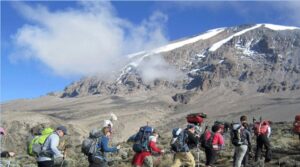
Standing at Uhuru Peak as sunrise illuminates glaciers and African plains far below creates an unforgettable moment of triumph. The exhaustion, cold, and discomfort fade into insignificance compared to overwhelming achievement. You’ve conquered the Roof of Africa.
Responsible Tourism and Cultural Engagement
Your Kilimanjaro journey connects intimately with Tanzanian culture and environmental stewardship. Approaching both respectfully enriches your experience and supports sustainable practices.
Your crew makes summit success possible. Guides navigate routes, monitor health, and make critical safety decisions. Porters carry the majority of equipment and supplies, often bearing challenging loads day after day with remarkable cheerfulness. Understanding their crucial contributions deepens your appreciation for the team effort behind every summit.
Choose operators committed to ethical crew treatment. Responsible companies provide adequate equipment, enforce reasonable load limits (20 kilograms maximum), pay fair wages, and ensure proper food and shelter. The cheapest operators achieve low prices through worker exploitation. Paying fair prices supports ethical treatment and sustainable livelihoods.
Learn basic Swahili phrases to engage respectfully. Simple greetings and thank-yous demonstrate respect and often lead to richer cultural exchanges. Show genuine interest in crew members’ lives rather than viewing them as invisible service providers.
Tip generously according to established guidelines—approximately $250-350 per climber for week-long climbs, distributed according to role and service quality. Present tips in sealed envelopes during the traditional final evening ceremony.
Practice environmental stewardship rigorously. Follow Leave No Trace principles, pack out all waste, use designated toilet facilities, and stay on established trails to prevent erosion. The mountain’s retreating glaciers make environmental responsibility increasingly urgent.
Conclusion
Climbing Mount Kilimanjaro transcends physical achievement—it’s a transformative journey revealing your capabilities and character. The mountain tests your body’s limits while challenging your mental resilience and determination. Standing atop Uhuru Peak, you’ll experience profound accomplishment that resonates throughout your life.
The lessons learned extend far beyond mountaineering. Kilimanjaro teaches that consistent, patient effort overcomes seemingly impossible challenges. You discover that discomfort is temporary but the satisfaction of pushing through endures. You understand that proper preparation multiplies success probability while cutting corners invites failure. These insights apply to every challenging endeavor you’ll face.
The relationships forged on Kilimanjaro—with fellow climbers sharing your struggles, with guides and porters whose expertise enables success—often prove as valuable as the summit itself. You’ll return with new friendships, broadened perspectives, and deeper appreciation for different cultures.
The mountain also imparts humility. Nature’s power dwarfs human ambition, and success requires respecting the mountain’s conditions rather than attempting domination. You learn to listen to your body, accept limitations, and understand that sometimes wisdom means turning back to climb another day.
Whether you reach Uhuru Peak or turn back before the summit, you’ll return transformed. The courage to attempt the climb, the dedication shown through months of training, and the perseverance demonstrated facing the mountain’s challenges all represent victories worth celebrating. Kilimanjaro doesn’t just test who you are—it reveals who you can become when pushed beyond perceived limitations.
Key Takeaways
- Mount Kilimanjaro offers non-technical climbing accessible to determined individuals with proper fitness, making Africa’s highest peak achievable without mountaineering experience while still presenting significant physical and mental challenges
- Route duration directly correlates with summit success—longer routes (8-9 days) achieve 85-95% success rates versus 50-60% for shorter routes, making additional acclimatization days the single most important investment
- Physical training requires 4-6 months focusing on cardiovascular endurance, weighted hiking with elevation gain, leg and core strength, and back-to-back training days simulating consecutive climbing days
- Altitude management through gradual ascent, aggressive hydration (4-5 liters daily), maintaining nutrition despite appetite loss, and following “climb high, sleep low” principles dramatically improves summit probability
- Quality gear covering temperature extremes from tropical heat to arctic cold is essential, particularly well-broken-in waterproof boots, effective layering systems, and serious insulation for brutal summit night conditions
- Ethical operator selection supporting fair porter treatment, reasonable wages, and proper equipment costs more but ensures superior safety support, motivated crews, and sustainable tourism benefiting local communities
- Summit night beginning around midnight represents the greatest physical and mental challenge, requiring psychological preparation, breaking the climb into small achievable goals, and maintaining determination through extreme discomfort
- Cultural engagement through basic Swahili phrases, genuine interest in crew members’ lives, and generous tipping (10-15% of trek cost) enriches the experience while supporting local families
Frequently Asked Questions
What is the success rate for climbing Mount Kilimanjaro?
Overall success rates average around 65%, but this varies dramatically by route. Shorter routes like Marangu (5-6 days) see 50-60% success, while medium routes like Machame (6-7 days) achieve 70-75%. Longer routes like Lemosho (7-8 days) reach 80-85%, and Northern Circuit (8-9 days) exceeds 90%. The primary factor determining success is adequate acclimatization time—every additional day on the mountain significantly improves your odds. Most failures result from altitude sickness rather than physical inability or technical difficulty. Choosing a longer route represents the single most effective decision for improving summit probability.
How much does it cost to climb Mount Kilimanjaro?
Total expedition costs typically range from $3,500 to $7,000+ depending on route, duration, and operator quality. The climb itself costs $1,800-5,000 (budget to premium operators). Additional expenses include international flights ($800-2,000), Tanzania visa ($50-100), comprehensive travel insurance with high-altitude coverage ($150-300), vaccinations and medications ($200-400), gear purchases or rentals ($300-1,000), pre/post-climb accommodation ($50-200/night), crew tips ($250-350), and meals outside your package ($100-300). Budget operators compromise on safety and crew treatment, while premium operators provide better support and ethical practices worth the investment.
What level of fitness is required for Kilimanjaro?
You should comfortably hike 6-8 hours daily carrying a 5-7 kilogram daypack. A good benchmark is completing 6-hour training hikes with 800-1,000 meters elevation gain without excessive fatigue. You don’t need marathon-runner fitness, but good cardiovascular endurance and leg strength are essential. Starting from average fitness, most people need 4-6 months of consistent training. Age matters less than fitness level—successful climbers range from teenagers to people in their 70s. Previous hiking experience helps but isn’t mandatory if you train adequately and choose a longer route providing extra acclimatization time.
Can you climb Kilimanjaro year-round?
Kilimanjaro can be climbed year-round, but conditions vary seasonally. Optimal periods are January-March (warm, clear, stable weather) and June-October (dry, cold, excellent visibility). These months offer highest success rates due to favorable conditions but attract most climbers. The long rains (April-May) create challenging muddy conditions with obscured views but provide nearly empty trails and reduced costs. Short rains (November) bring less precipitation but increased weather unpredictability. Routes on the northern side like Rongai stay drier during wet months due to rain shadow effects. Most operators recommend dry season climbs for optimal experience and success probability.
Is Kilimanjaro dangerous?
While Kilimanjaro presents real risks, proper preparation and responsible operators minimize dangers significantly. The primary risk is altitude sickness, which can progress to life-threatening HACE or HAPE if ignored. Proper acclimatization and heeding guide advice largely prevent severe altitude illness. Other hazards include extreme cold potentially causing hypothermia or frostbite during summit night, falls on steep or slippery sections, and dehydration exacerbating altitude effects. Reputable operators maintain safety protocols, carry emergency oxygen, and have evacuation procedures. Deaths occur occasionally but are rare—proper preparation, choosing ethical operators, and listening to your body and guides keep risks manageable for healthy, prepared climbers.
Do I need special permits to climb Kilimanjaro?
Yes, but your tour operator handles all permits. Independent climbing is prohibited—you must book through registered operators who arrange Kilimanjaro National Park permits, camping/hut fees, and required documentation. Park fees are typically included in your operator quote ($800-1,200 depending on route and duration). You’ll also need a Tanzania tourist visa obtainable on arrival or online in advance ($50-100 depending on nationality). Ensure your passport has at least six months validity beyond your return date. Your operator will request passport copies for permit applications, typically 2-3 months before your climb date.
What vaccinations are required for Tanzania?
Yellow fever vaccination is required if arriving from yellow fever endemic countries, though not mandatory for direct flights from most Western nations. However, it’s recommended regardless of origin. Other advised vaccinations include hepatitis A and B, typhoid, tetanus-diphtheria, polio, and measles-mumps-rubella (MMR). Antimalarial medication is recommended for Tanzania’s lowland areas but unnecessary on the mountain itself where mosquitoes don’t survive. Consult a travel medicine specialist 6-8 weeks before departure for personalized recommendations based on your medical history, current medications, and complete itinerary including any pre/post-climb safaris or beach visits.
How do I deal with bathroom facilities on the mountain?
Kilimanjaro’s bathroom facilities vary by route. Marangu features basic toilets at huts along the route. Other routes use designated toilet tents at established campsites—basically portable latrines that porters set up and maintain. These range from basic holes to more sophisticated portable toilet systems depending on your operator. Toilet paper, hand sanitizer, and wet wipes are your responsibility to bring. During trekking between camps, you’ll need to use “nature’s bathroom” following Leave No Trace principles—pack out toilet paper, choose sites at least 60 meters from water sources and trails, and bury waste properly. Many climbers bring portable urination devices for nighttime convenience avoiding tent exits in extreme cold.
Can I charge electronic devices on the mountain?
Charging opportunities are extremely limited on Kilimanjaro. Marangu huts sometimes offer charging for a fee, but other routes have no electricity. Bring multiple backup batteries for essential devices like headlamps and cameras. Portable solar chargers work but are unreliable due to variable weather. Power banks provide the most reliable solution—bring high-capacity power banks fully charged from your hotel. Minimize device usage to conserve battery—your phone serves primarily for emergency photos and communication, not constant social media updates. Many climbers embrace the digital detox aspect, disconnecting from technology to fully immerse in the mountain experience.
What happens if I need to turn back before the summit?
If you develop severe altitude sickness symptoms or are unable to continue safely, your guides will make the final decision about descent. One guide will escort you down while the rest of the group continues upward. Descent typically brings rapid symptom improvement as you return to lower elevations. Most operators don’t offer refunds for turning back since costs are already incurred—another reason comprehensive travel insurance with trip interruption coverage is essential. Approximately 35% of climbers don’t reach the summit, so failing to summit is common and nothing to be ashamed of. Many return for successful second attempts after learning from their first experience and better preparing for altitude challenges.