
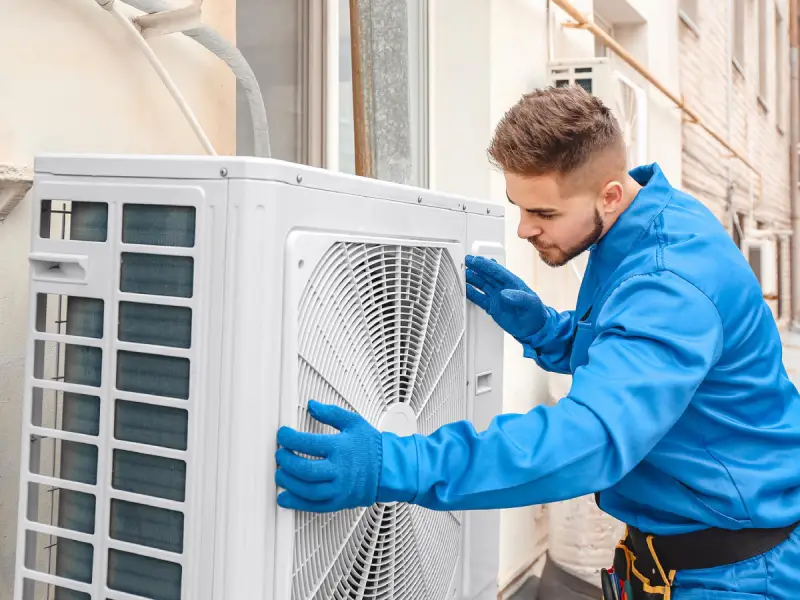
For Wilmington homeowners looking for a comfortable home without unnecessarily high energy bills, heat pumps are worth a closer look. Unlike traditional heating and cooling systems that rely on separate equipment, a heat pump can move heat in and out of the home depending on the season. But does that flexibility actually translate into better energy efficiency? Understanding how heat pumps work, what affects their performance, and how they compare with other HVAC options can help homeowners make a more informed decision. If you are considering heat pump services in Wilmington, it is useful to start with the basics.
How Does a Heat Pump Work?
A heat pump uses electricity to transfer heat rather than generating heat through combustion. During warmer months, it removes heat from inside the home and releases it outdoors, much like a conventional air conditioner. In cooler weather, the process reverses, allowing the system to pull available heat from outdoor air and bring it indoors.
This reversing capability is one of the biggest differences between a heat pump and many traditional HVAC systems. Instead of installing separate equipment for heating and cooling, homeowners can use one system to handle both functions.
Because heat pumps transfer heat rather than create it directly, they can use electricity relatively efficiently. The actual energy savings, however, depend on factors such as the system’s efficiency rating, home insulation, outdoor temperatures, thermostat settings, and maintenance.
Why Heat Pumps Can Be Energy Efficient
One of the main advantages of a heat pump is that it moves existing heat instead of producing it from scratch. A properly sized and installed system can therefore deliver efficient heating and cooling while using electricity as its primary energy source.
During the cooling season, a heat pump operates on the same basic principle as an air conditioner. During the heating season, it extracts heat from outdoor air, even when temperatures feel cold. Modern systems are designed to continue operating efficiently across a broad range of outdoor conditions.
For homeowners concerned about long-term energy use, this can make a heat pump an appealing alternative to systems that depend heavily on direct electric resistance heating or other less efficient heating methods.
Heat Pump Efficiency Depends on the System
Not every heat pump performs the same way. Efficiency varies based on the equipment’s design, age, condition, and capacity.
When comparing systems, homeowners may encounter ratings such as SEER2 for cooling efficiency and HSPF2 for heating efficiency. Higher ratings generally indicate that a system can provide the required heating or cooling while using less energy under standardized testing conditions.
However, the highest-rated system is not automatically the best choice for every home. Oversizing or undersizing can affect comfort and efficiency, which is why professional load calculations and proper equipment selection matter.
Wilmington’s Climate Matters
A heat pump’s performance is closely connected to local weather. Wilmington experiences warm, humid summers, while winters can bring periods of chilly weather without consistently extreme cold.
That combination can make heat pumps particularly useful because the system needs to provide substantial cooling during summer while also handling heating demands in winter. During colder periods, a heat pump may need to work harder to maintain indoor temperatures, and some systems may use supplemental or backup heat when outdoor conditions become challenging.
Choosing equipment designed for the local climate can help maintain consistent comfort without excessive energy use.
Heat Pumps vs. Traditional HVAC Systems
The biggest distinction is that a heat pump can provide both heating and cooling. A conventional setup may pair an air conditioner with a furnace or another heating system.
For homeowners replacing aging equipment, switching to a heat pump can simplify the HVAC setup. It may also reduce the need to operate separate heating and cooling equipment throughout the year.
That does not mean a heat pump will always cost less to operate. Electricity rates, fuel prices, equipment efficiency, household usage, and weather conditions all influence operating costs. A proper comparison should consider the entire system and expected usage rather than focusing on one efficiency rating.
Proper Installation Makes a Difference
Even a highly efficient heat pump can perform poorly if it is installed incorrectly. Equipment that is improperly sized may cycle too frequently, struggle to maintain the desired temperature, or consume more energy than expected.
Ductwork also plays an important role in homes with central systems. Leaky or poorly insulated ducts can allow conditioned air to escape before it reaches living spaces. Poor airflow can create uneven temperatures and force the system to work harder.
Professional installation helps ensure that the equipment, ductwork, thermostat, and other components work together as intended.
Maintenance Helps Preserve Efficiency
Regular maintenance is another important part of keeping a heat pump operating efficiently. Over time, dirty filters, restricted airflow, clogged components, electrical issues, and refrigerant-related problems can affect system performance.
Homeowners can start with simple tasks such as replacing or cleaning air filters according to the manufacturer’s recommendations and keeping outdoor equipment clear of leaves, grass, and other debris.
Professional inspections can help identify developing problems before they significantly affect comfort or energy consumption. Maintenance is especially important before periods of heavy heating or cooling use.
Signs Your Heat Pump May Be Losing Efficiency
A gradual increase in energy bills does not always mean the heat pump itself is failing, but it can be worth investigating if higher costs occur alongside other changes.
Common warning signs include:
- Longer heating or cooling cycles
- Uneven temperatures between rooms
- Frequent system cycling
- Weak airflow from vents
- Unusual sounds or odors
- Difficulty maintaining the thermostat setting
- More frequent repairs
Some of these issues can be caused by relatively simple problems, while others may indicate that the system is approaching the end of its useful life.
Is a Heat Pump Right for Your Wilmington Home?
Energy efficiency is only one factor to consider when choosing a heating and cooling system. Home size, insulation, ductwork, existing HVAC equipment, budget, comfort preferences, and expected system lifespan should all be part of the decision.
For a homeowner replacing an older air conditioner and heating system, a heat pump may offer the convenience of combining both functions into one system while providing efficient operation. For others, a different HVAC configuration may make more sense.
The best choice comes from looking at the home’s specific heating and cooling requirements rather than selecting equipment based solely on a high efficiency rating.
A Smarter Approach to Home Comfort
Heat pumps can be highly energy efficient, but their real-world performance depends on more than the equipment itself. Proper sizing, installation, maintenance, insulation, airflow, and thermostat settings all contribute to how much energy the system uses.
For Wilmington homeowners considering an HVAC upgrade, understanding these factors makes it easier to compare options realistically. A well-selected and properly maintained heat pump can provide year-round comfort while using energy efficiently, making it an option worth considering for many homes.
Conclusion
Heat pumps can provide an energy-efficient solution for homeowners seeking reliable heating and cooling in Wilmington. Their ability to transfer heat rather than generate it directly can help reduce energy consumption while allowing a single HVAC system to handle both seasonal needs. However, efficiency depends on more than the equipment’s rating. Proper sizing, professional installation, adequate insulation, good airflow, regular maintenance, and appropriate thermostat settings all influence real-world performance.
Wilmington’s warm summers and cooler winter temperatures also make climate-appropriate equipment selection important. Before investing in a new system, homeowners should evaluate their property’s specific heating and cooling requirements, current HVAC condition, operating costs, and long-term comfort goals. A properly selected and maintained heat pump can be a practical way to improve home energy efficiency, indoor comfort, and year-round HVAC performance.