
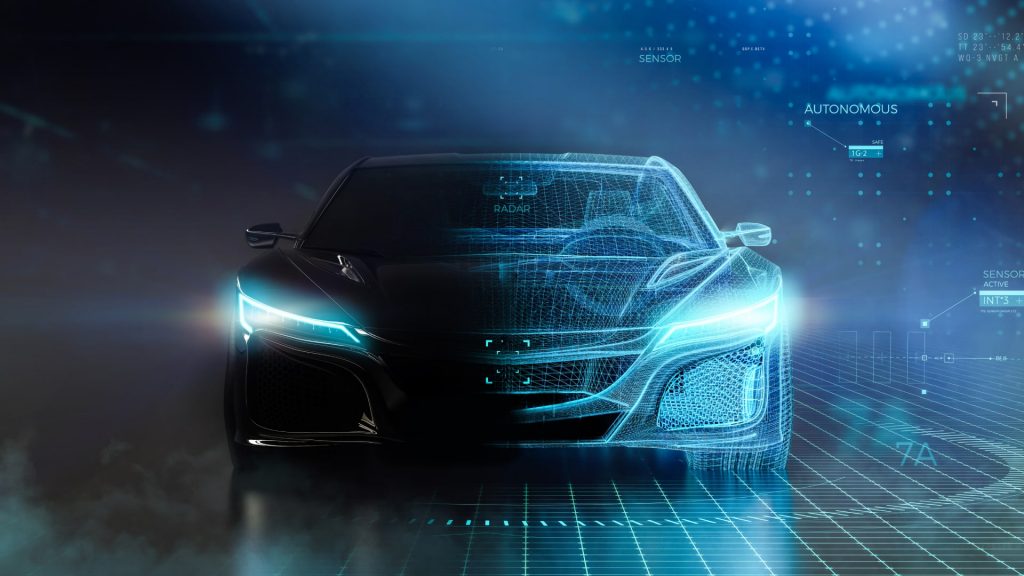
The shift to electric vehicles has changed more than just the powertrain. Battery quality is now central to product performance, warranty costs, and safety. That’s why leading OEMs and suppliers are investing early in Computer Vision in Automotive Industry to raise the bar for battery assembly inspection.
While traditional inspection methods struggle to keep up with the volume and complexity of EV components, computer vision systems are delivering measurable improvements in accuracy, speed, and traceability.
Why EV Battery Assembly Is a High-Risk Process
Battery packs are not just a collection of cells. They’re precision-engineered systems involving multiple layers of insulation, thermal management materials, connectors, and control units. A single defectmisaligned cells, poor welds, or contaminationcan trigger recalls, fires, or regulatory fines.
Manual checks are no longer viable. Inspectors cannot detect micro-level weld inconsistencies or track data for 200+ inspection points per pack. This is where an inline inspection system powered by vision technology becomes essential.
The Rise of Computer Vision for EV Quality Control
EV production lines now demand zero-defect assurance at speed. By deploying automated visual inspection for EV components, manufacturers can detect anomalies in real time, flag critical defects, and log every pass/fail with time-stamped evidence.
Unlike older systems that rely on rule-based logic, modern platforms use AI models trained to detect patterns across thousands of images. These systems get smarter over time, improving both precision and recall rates.
As mentioned previously, human inspection can’t scale with the complexity of today’s EV architecture. In contrast, AI-based automotive quality control solutions adapt quickly to new component types without needing weeks of reprogramming.
Addressing Challenges Specific to Battery Inspection
Battery modules vary by model, chemistry, and pack structure. Each has its own risk profile. For instance, prismatic cells require alignment tolerance under 0.1mm, while pouch cells are vulnerable to swelling and puncture.
Computer vision enables custom inspection templates tailored to each variant. This level of control ensures that EV battery defect detection isn’t based on average quality metrics but on precise thresholds for each application.
When combined with industrial robotics, these systems can also perform corrective actionssuch as removing a faulty module from the linewithout halting production.
Integrating Computer Vision Without Replacing Equipment
One concern for legacy manufacturers is compatibility. Not every factory can afford to rip out existing stations. But with modular hardware and API-friendly software, it’s possible to retrofit computer vision for electric vehicles into existing lines.
Edge devices capture images from multiple angles. AI algorithms then assess parameters like thermal paste spread, connector alignment, and torque marksall in milliseconds. And since the data is cloud-synced, QA teams can monitor quality trends remotely across shifts and geographies.
Measurable Outcomes Across the Supply Chain
Manufacturers who’ve deployed battery assembly vision systems report fewer line stoppages, higher first-pass yield, and better warranty cost predictability. For Tier 1 and Tier 2 suppliers, it also builds credibility with OEMs demanding digital traceability.
Below are examples of results from recent EV battery programs:
- Reduced inspection cycle time by 35%
- Increased defect detection rate by 28%
- Lowered recall-related warranty costs within 6 months
Final Thoughts
As battery complexity increases, inspection must evolve from reactive checks to proactive intelligence. As discussed earlier, computer vision in automotive industry is not just a tool for defect detectionit’s becoming the backbone of EV quality systems.
Manufacturers that adopt AI-driven visual inspection now will gain operational agility, meet OEM traceability standards, and prevent defects before they become customer problems.