
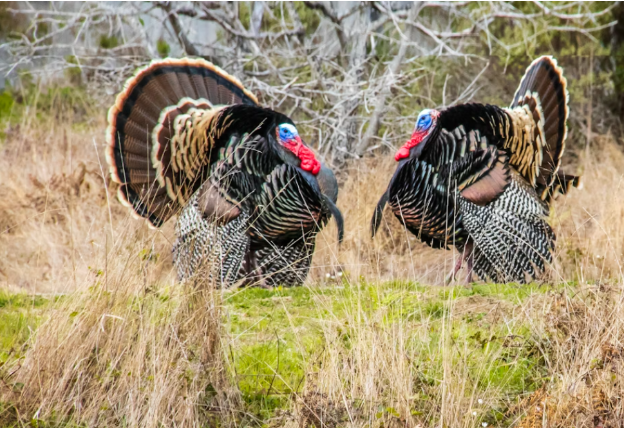
Turkeys make unique and engaging pets, but they require careful attention to their diet, environment, and health needs. Unlike typical domestic birds, turkeys are large, social, and sensitive to disease, making proactive care essential.
Taking care of a turkey pet involves more than feeding and shelter—it includes preventive medical care, proper enrichment, and specialised treatments when necessary. Incorporating strategies such as antibiotics in drinking water under veterinary guidance and veterinary acupuncture can support overall health and quality of life for your turkey.
Providing proper nutrition and hydration
A healthy diet is fundamental to your turkey’s wellbeing. Turkeys require a balanced mix of grains, protein, and vitamins to support growth, feather development, and energy levels. Commercial turkey feed is often formulated to meet these needs, supplemented with fresh greens, fruits, and occasional treats.
Clean, fresh water must always be available. Hydration is critical not only for general health but also for digestion and thermoregulation. Consistent water supply and monitoring for contamination reduce the risk of illness.
Maintaining a safe and enriching environment
Turkeys need space to roam and explore safely. A secure, predator-proof enclosure with ample room for movement helps prevent stress and injury. Providing perches, shaded areas, and varied terrain encourages natural behaviors such as foraging, scratching, and dust bathing.
Enrichment items such as hanging vegetables, mirrors, or safe objects to peck at keep turkeys mentally stimulated and prevent boredom, which can lead to destructive behaviors.
Using antibiotics in drinking water responsibly
Turkeys are susceptible to bacterial infections that can compromise health and growth. In some cases, antibiotics may be recommended to prevent or treat illness. Administering antibiotic for turkeys drinking water, such as under the guidance of a veterinarian, ensures the correct dosage and treatment duration.
It is crucial to follow professional instructions carefully to avoid overuse, resistance, or adverse reactions. Responsible use of antibiotics supports recovery, prevents disease spread, and maintains overall flock health.
Veterinary acupuncture for stress and mobility
Veterinary acupuncture is an emerging tool in avian health that can benefit pet turkeys. This technique uses targeted stimulation to improve circulation, reduce pain, and support recovery from injuries or stress.
Acupuncture can also enhance immune function and improve overall wellbeing, particularly for turkeys that are older, recovering from illness, or experiencing mobility challenges. When performed by a trained veterinarian, it is a safe, non-invasive method to support long-term health and vitality.
Monitoring health and early intervention
Regular observation of your turkey’s behavior, appetite, and feather condition allows for early detection of illness. Signs such as lethargy, loss of appetite, respiratory distress, or abnormal droppings indicate the need for immediate veterinary attention.
Early intervention reduces the risk of serious complications and promotes faster recovery. Preventive checkups and routine health monitoring are essential for maintaining a thriving turkey pet.
Social interaction and enrichment
Turkeys are social animals that thrive in companionship. If possible, keep turkeys in pairs or small groups to provide social stimulation. Interacting with your turkey through gentle handling, feeding, or play strengthens trust and enriches their environment.
Providing regular attention, while respecting their natural behaviors and space, supports emotional wellbeing and reduces stress-related behaviors.