
Clean indoor air is no longer a luxury—it is a necessity for maintaining a healthy and comfortable home. With rising concerns about allergens, pollutants, and airborne contaminants, homeowners are increasingly looking for reliable ways to improve indoor air quality. Understanding how air purification works is the first step toward creating a safer living environment and making informed decisions about HVAC systems and air-cleaning technologies.
What Is Air Purification and Why It Matters
Air purification refers to the process of removing harmful particles, pollutants, and microorganisms from indoor air. These contaminants can include dust, pet dander, mold spores, bacteria, and even volatile organic compounds (VOCs) released from household products.
Poor indoor air quality can lead to respiratory issues, allergies, fatigue, and long-term health concerns. Modern homes, designed to be energy efficient and tightly sealed, can actually trap pollutants inside. This makes proper ventilation and air purification systems essential for maintaining both comfort and well-being.
How Air Purification Systems Function
Filtration at the Core
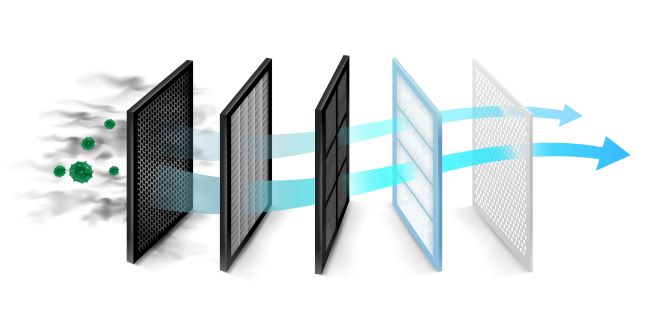
Most air purification systems rely on filters to capture airborne particles. High-efficiency particulate air (HEPA) filters are among the most effective, capable of trapping up to 99.97% of particles as small as 0.3 microns.
As air circulates through your HVAC system, it passes through these filters, which physically capture contaminants. Regular HVAC maintenance ensures that filters remain effective and do not become clogged, which could reduce airflow and system efficiency.
Advanced Technologies Beyond Filters
Modern air purification systems often combine filtration with additional technologies to enhance performance:
- Activated carbon filters absorb odors and harmful gases
- UV (ultraviolet) light systems neutralize bacteria and viruses
- Ionizers charge particles, making them easier to trap
- Electronic air cleaners use electrostatic attraction to capture pollutants
These technologies work together to address both visible and invisible contaminants, creating a more comprehensive approach to indoor air quality.
The Role of HVAC Systems in Air Quality
Your HVAC system plays a central role in maintaining clean air throughout your home. It continuously circulates air, making it the ideal platform for integrating purification solutions.
When properly maintained, HVAC systems help regulate humidity levels, reduce airborne pollutants, and improve overall energy efficiency. Dirty ducts or neglected filters, however, can have the opposite effect, spreading contaminants rather than removing them.
Routine servicing, including duct cleaning and filter replacement, ensures that your system supports both home comfort and air cleanliness.
Key Benefits of Air Purification
Investing in air purification delivers both immediate and long-term advantages. Some of the most notable benefits include:
- Improved respiratory health by reducing allergens and irritants
- Enhanced HVAC efficiency through cleaner airflow
- Reduced odors from cooking, pets, and smoke
- Lower risk of mold growth due to better humidity control
- Increased overall home comfort and freshness
These benefits highlight the importance of combining purification systems with regular HVAC maintenance for optimal results.
Factors That Influence Air Purification Efficiency
Several factors determine how effective an air purification system will be in your home. Room size, system capacity, and filter quality all play a role. Additionally, lifestyle habits such as smoking indoors, owning pets, or using certain cleaning products can impact air quality.
At this stage, it becomes even more important to revisit how air purification works, as understanding the interaction between filtration, airflow, and technology helps homeowners select the right solution for their specific needs.
Placement also matters. Portable air purifiers should be positioned where airflow is unobstructed, while whole-home systems must be properly integrated into the HVAC setup to ensure even distribution.
Tips for Maintaining Clean Indoor Air
While air purification systems are highly effective, they work best when combined with good habits and regular upkeep. Simple steps can significantly enhance indoor air quality:
- Replace HVAC filters every 1–3 months depending on usage
- Schedule professional HVAC inspections annually
- Keep indoor humidity levels between 30–50%
- Use exhaust fans in kitchens and bathrooms
- Minimize the use of harsh chemical cleaners
These practices not only improve air quality but also extend the lifespan of your HVAC system and reduce energy consumption.
Choosing the Right Air Purification Solution
Selecting the right system depends on your home’s size, layout, and specific air quality concerns. Whole-home air purifiers integrated with HVAC systems offer consistent performance, while portable units provide targeted solutions for individual rooms.
Energy efficiency should also be a priority. Systems with high-efficiency ratings can reduce energy costs while maintaining optimal air quality. Consulting an HVAC professional can help identify the most suitable option based on your home’s requirements.
Conclusion
Clean air is fundamental to a healthy home, and understanding the process behind it empowers homeowners to make smarter decisions. From advanced filtration systems to integrated HVAC solutions, air purification technologies offer effective ways to reduce pollutants and improve overall comfort.
By combining the right equipment with regular maintenance and mindful habits, you can create a safer, fresher indoor environment. Investing in air purification is not just about comfort—it is about protecting your health and enhancing the quality of life for everyone in your home.